
I came home late that night. Not late in the exciting way, after dinner with friends or a road trip or a long summer evening that ran past its edges. Late in the heavy way. The kind of late where the whole day seems to follow you into the house and stand behind you in the dark.
I opened the front door quietly. The porch light was still on. The living room was dark except for a little gray light coming through the window from the streetlamp outside. I did not turn on the lamp. I did not call out the way I usually did.
No “I’m home.” No “Where’s my good boy?” No happy voice.
I barely took off my shoes before I sat down on the couch. Most nights, that would have been impossible. Most nights, my dog would already have been there.
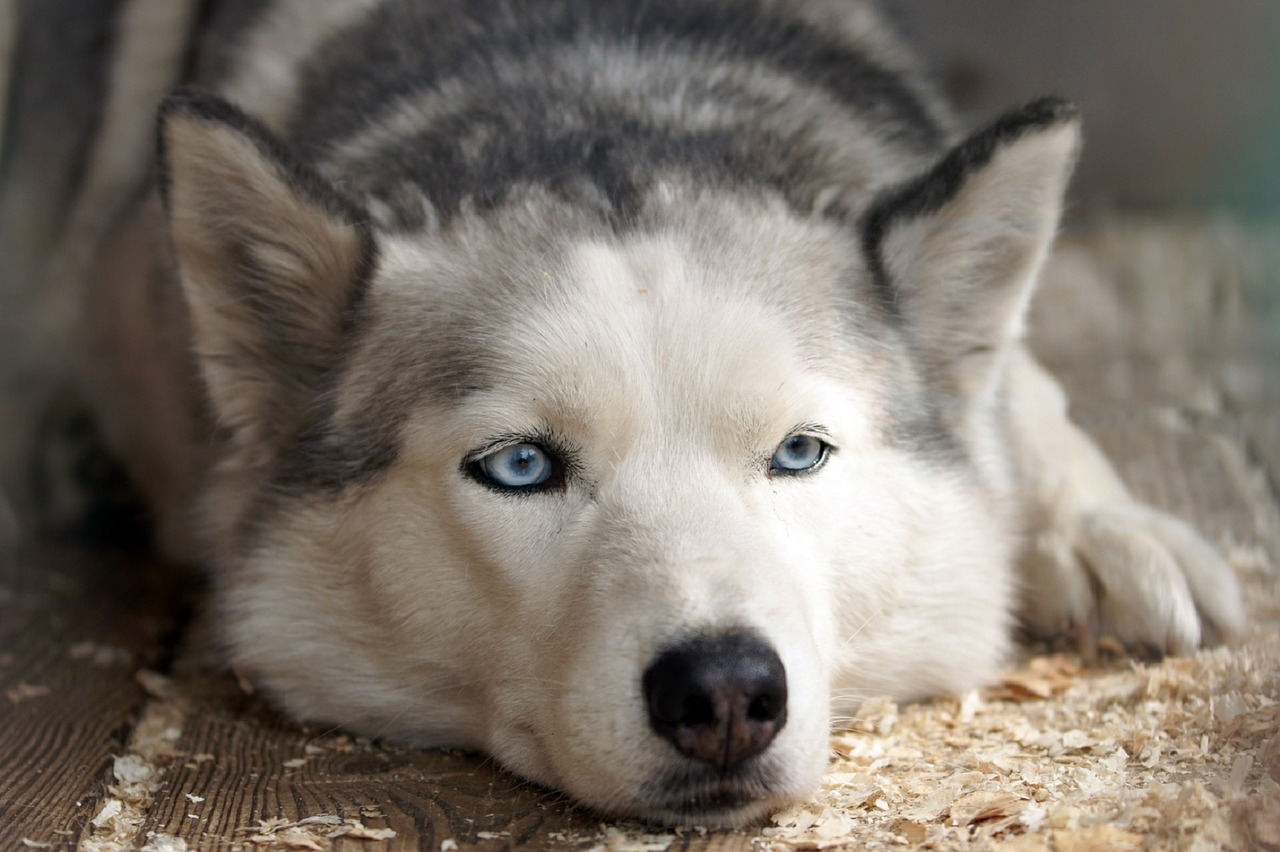
Milo is a medium-sized rescue dog, some kind of shepherd mix with soft ears, a serious face, and the absolute belief that every return home deserves a celebration. If I leave for eight hours, he greets me like I survived a war. If I leave for eight minutes to take out the trash, he greets me like I have returned from another continent.
Usually, he comes flying down the hallway.
Nails clicking on the floor.
Tail moving so hard his whole back end joins in. Sometimes he grabs a toy because joy, in his opinion, must be carried in the mouth. Sometimes he paws at my leg. Sometimes he presses against me until I give up and sit on the floor, where he can climb halfway into my lap even though he is far too big for that to be a reasonable plan.
That is our routine. I come home. He makes a scene. I laugh. The day changes.
But that night, he did not make a scene. He came into the living room slowly.
Not afraid. Not unsure. Just quiet.
He stood beside my knees for a moment and looked at me. I could barely see him in the dim room, just the shape of his head, the small movement of his ears, the shine of his eyes catching the light from outside. Then he lowered his head and placed it gently on my leg.
That was all. No barking. No toy. No pawing. No demand to play.
No insistence that I become cheerful on schedule. Just the warm weight of his head resting against me. I looked down at him, and he looked up.
His eyes were bright and still, the way dogs’ eyes are when they are not asking a question with words, but you hear it anyway.
Are you okay?
That was the moment I almost cried. Not because anything dramatic happened. Nothing did. The house was quiet. My shoes were still on. My bag was on the floor. The couch was old, the room was dark, and outside, someone’s car passed slowly down the street.
But my dog had noticed.
He had noticed that I came home differently. He had noticed that my voice was missing. He had noticed that I did not say his name.
He had noticed that my body moved slowly, that I sat down too soon, that I did not reach for the leash, the treat jar, the toy basket, or the light switch. And somehow, without understanding the day, he understood the feeling. Dogs do not understand work the way we do.
They do not understand overtime, office politics, bad news, impossible emails, disappointment, exhaustion, money worries, medical waiting rooms, or the strange loneliness that can come over a person even inside their own home. They do not understand why a human can walk in the door with no visible injury and still seem hurt.
But they understand us. Not the facts, maybe. The atmosphere. The change in breathing. The heaviness in the shoulders.
The silence where a familiar voice should be. The way we sit when we have no energy left to pretend. A dog who loves you studies you every day.
He knows your normal.
He knows the sound of your car in the driveway. He knows how you open the door when you are happy. He knows the shoes that mean a walk, the jacket that means errands, the keys that mean leaving, the laugh that means everything is fine.
So when everything is not fine, he may not know why.
But he knows.
And some dogs respond by getting louder. They bring toys. They try to cheer you up in the only way they understand. They bark, wiggle, lick your face, shove a ball into your lap, and insist that whatever sadness has entered the house must be defeated immediately with fetch.
There is love in that too.
But some dogs become quiet.
They soften themselves around your pain.
They come close without crowding. They lean without demanding.
They stay without asking you to explain.
That night, Milo did that.
He did not try to pull me out of the feeling. He did not ask me to play. He did not act wounded because I had no energy for our usual routine.
He simply adjusted.
My sadness entered the room, and he made space for it. That is a kind of intelligence we do not always give dogs enough credit for. Not the kind measured by how many commands they know.
Not the kind shown in agility ribbons, obedience titles, or viral videos where a border collie can identify thirty toys by name.
This was quieter.
A dog reading the emotional temperature of a room and deciding to lower himself into it gently. Milo stood there with his head on my leg for a long time. At some point, I put my hand on his neck. His fur was warm. His breathing was steady. He did not move closer. He did not move away. He just stayed.
There are kinds of comfort that do not solve anything, but still matter. A dog cannot fix the thing that hurt you. He cannot change the phone call, the meeting, the diagnosis, the argument, the bill, the loss, the worry, the tiredness sitting in your chest.
He cannot say, “That was unfair.” He cannot say, “You did your best.” He cannot say, “Tomorrow will be different.”
But he can put his head on your knee. He can sit with you in the dark. He can make the room less empty.
He can remind your body, before your mind is ready, that you are not completely alone. That is often enough to get through the first wave. People who do not live with dogs sometimes imagine companionship as something loud and obvious.
A greeting at the door. A wagging tail. A face full of kisses. A walk in the park.
A dog asleep beside you on the couch. Those things are real and wonderful. But living with a dog for years teaches you that companionship has quieter forms.
A dog who does not demand dinner at the usual second because he senses something is wrong. A dog who follows you to the bedroom but does not jump on the bed. A dog who lies outside the bathroom door while you cry in the shower.
A dog who rests his head on your foot during a hard phone call. A dog who, for once, does not bring the ball. Because he knows this is not the moment.
That kind of restraint is love too.
Maybe especially that.
Milo is not always subtle. Most days, he is a creature of large feelings and questionable manners. He barks at delivery trucks. He thinks every cardboard box is suspicious. He sighs dramatically if dinner is three minutes late. He believes personal space is a rumor invented by people without dogs.
But that night, he was careful. Careful in a way that made me feel seen.
Not analyzed. Not questioned. Seen. There is a difference.
But they understand us.
When people ask what dogs give us, the answers are usually easy.
Joy. Routine. Exercise. Unconditional love. A reason to come home.
But sometimes dogs give us something more precise than joy. They give us permission to be quiet. They do not always need us to perform happiness.
They do not require us to explain why we are sad before they offer comfort. They do not say, “But everything is fine.” They do not rush us toward being okay.
A good dog can sit with a person who is not okay and make that state feel less shameful. That matters in a world where people are often expected to recover quickly, answer messages, keep working, keep smiling, keep being functional no matter what is happening inside. A dog does not care if you are functional.
He cares that you are there. And on some nights, that is the kindest standard in the world. I sat on the couch for a long time.
The room stayed dark.
Milo’s head stayed on my leg. Every now and then, he blinked slowly. Once, he shifted his weight and sighed. I rubbed the place between his ears, and he leaned into my hand just enough to let me know he was still awake.
No one said anything. Nothing changed.
And yet, slowly, the sharpest part of the feeling passed.
Not gone. Not fixed. Just less alone.
That is what dogs do so well. They help us survive the space between what happened and what comes next.
They fill the pause.
They keep us company while the storm moves through. Eventually, I took off my shoes.
Milo watched.
I stood up and turned on the small lamp beside the couch. The room warmed. The ordinary shapes came back: the blanket over the chair, the toy basket by the wall, the leash hanging near the door, the water bowl in the kitchen.
Milo’s tail moved once. Not the wild greeting tail. Just a small, hopeful wag.
As if he could feel the room becoming normal again.
I said his name then. Finally. “Milo.” His ears lifted.
That was all he had been waiting for.
Not the walk. Not the toy. Not the treat. Me. My voice.
The sign that I had come back from wherever I had gone inside myself. He pressed his head into my hand, and this time I laughed a little. A tired laugh, but real enough.
Then, because dogs are generous and practical, he walked over to the toy basket and picked up his old stuffed duck.
Not demanding.
Just offering the possibility of life continuing. That is the thing about dogs. They do not hold sadness against us.
They do not need us to be bright all the time. They can wait beside us while we are quiet, and when we are ready, they are ready too.
Ready for the toy. The walk. The snack. The bedtime routine. The next small normal thing.
Sometimes I think that is one of the reasons we love them so much. Dogs live close to the present, but they do not abandon us when we are stuck in something heavier.
They stay.
Then, when we can move again, they move with us. The next time you come home and your dog does not act the way he usually does, pay attention.
Maybe he is tired. Maybe he is older.
Maybe he is waiting to see who you are tonight. Maybe he has read something in your face before you even understood it yourself. And if he comes over quietly, rests his head on your knee, and does not ask for anything, do not miss it.
That is love. Not the loud kind.
Not the jumping, spinning, toy-carrying kind.
The other kind. The kind that says:
I can be quiet with you.
I can stay here.
You do not have to be happy for me to love you.
That night, my dog did not fix my day.
He did something better.
He sat beside me until I could bear it.
When the time comes to move a companion — across borders or across the country — Transcon Pet Movers handles the crates, paperwork, and customs so dogs, cats, birds, reptiles, and exotic pets travel safely. Learn more at transconpet.com or call (650) 656-0082.