
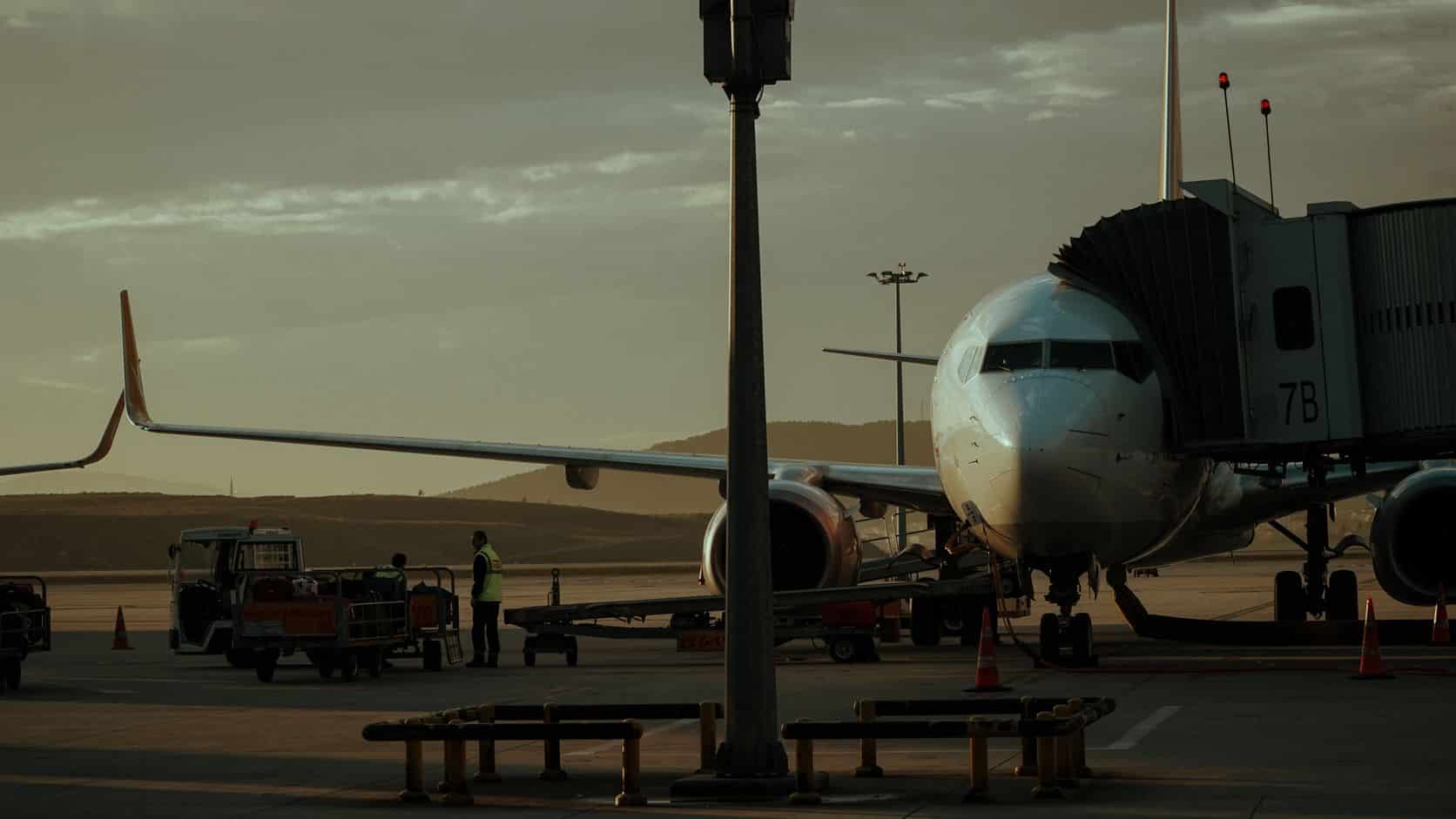
One of the first questions we hear from pet owners is:
“Can my pet travel on the same flight as me?”
It’s a perfectly reasonable question. After all, if you’re both going to the same destination on the same day, why wouldn’t you simply travel together?
The reality is that international pet transportation operates very differently from passenger travel. Even when an airline flies to your destination, there may be operational, logistical, or aircraft limitations that prevent your pet from traveling on that particular flight.
Understanding these limitations can make the booking process far less frustrating and help set realistic expectations from the beginning.
Your Airline Ticket and Your Pet’s Booking Are Two Different Systems
One of the biggest misconceptions is that a pet booking is simply an “add-on” to a passenger ticket. It isn’t.
When you purchase your own airline ticket, you’re booking a seat through the airline’s passenger reservation system. Your pet, however, is handled through an entirely different department.
Depending on how your pet is traveling—whether in the cabin, as excess baggage, or as manifest cargo—the booking may involve the airline’s passenger services, airport operations team, or cargo division. Each has its own procedures, availability, and restrictions.
This means that a flight with plenty of empty passenger seats may still have no capacity to transport your pet.
Pets Don’t Compete for Passenger Seats
Your pet isn’t competing with other passengers. Instead, your pet is competing for one of the limited spaces approved for transporting live animals.
Those spaces are affected by factors such as:
- Aircraft type
- Cargo-compartment configuration
- The number of pets already booked
- Weight and balance limitations
- Other operational restrictions
Unlike passenger seats, the number of animals an aircraft can safely carry is often surprisingly limited.
Aircraft Configuration Matters More Than Most People Realize
Many people assume that if an airline accepts pets, then every aircraft operated by that airline must also accept pets. Unfortunately, it isn’t that simple.
Different aircraft—even those operated by the same airline—can have completely different layouts and capabilities. Some aircraft are equipped with facilities suitable for transporting live animals, while others are not.
As a result, an airline may happily accept pets on one flight but decline them on another flight operating the very same route. The deciding factor is often the aircraft assigned to operate that service rather than the destination itself.
Aircraft assignments can also change before departure, adding another layer of uncertainty to pet travel planning.
In-Cabin Travel Isn’t Always Possible
Many owners understandably hope to keep their pet with them in the cabin. Whether this is possible depends on two things:
- The airline’s policy.
- The aircraft itself.
Some airlines simply do not allow pets in the passenger cabin. Others permit only a limited number of pets on each flight.
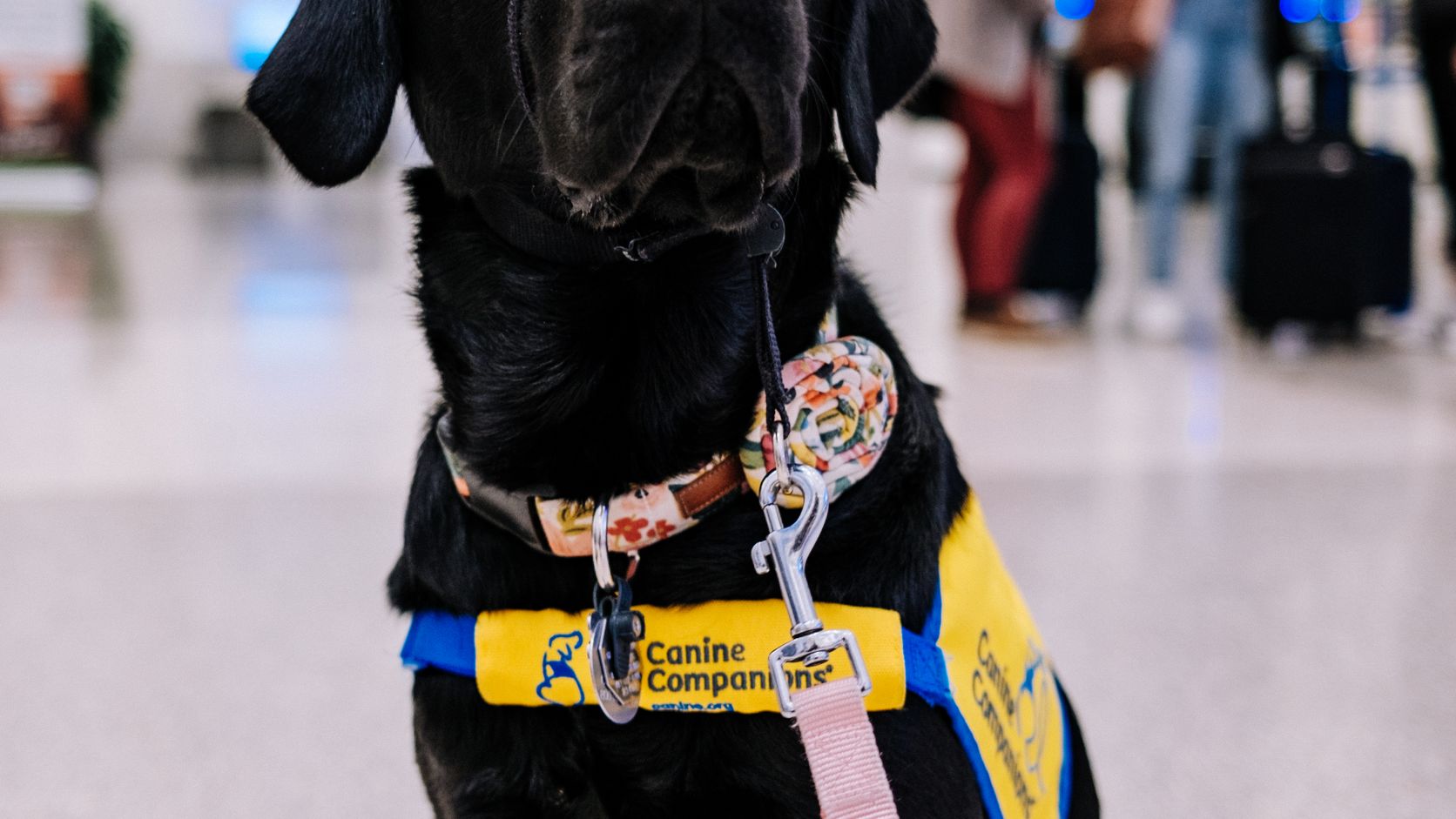
Even when an airline allows pets in the cabin, not every seat is suitable. During taxi, takeoff, landing, and whenever instructed by the cabin crew, the pet’s carrier must fit completely underneath the seat in front of you.
Certain Business Class and First Class seats have enclosed structures, fixed footrests, or lie-flat mechanisms that leave little or no usable space beneath the seat. This is why pets are often prohibited in premium cabins.
It isn’t intended to penalize passengers who have purchased more expensive seats—it is simply a consequence of the aircraft’s seating design and the airline’s safety requirements.
Excess Baggage Isn’t Available on Every Flight
Many people assume that checking a pet as excess baggage is available whenever the airline allows pets. In reality, excess-baggage travel also depends on the aircraft.
Pets traveling as excess baggage must be loaded into an aircraft compartment approved for transporting live animals. If the aircraft assigned to your flight doesn’t have a suitable compartment, or operational restrictions prevent its use, the airline may not be able to accept your pet—even though you are traveling on that same aircraft.
Manifest Cargo Follows Its Own Rules
Manifest cargo is often the preferred method for international pet transportation, particularly when countries require pets to travel as cargo or when the pet exceeds the airline’s baggage limits.
Unlike passenger tickets, cargo bookings follow their own timelines. Many airlines only accept pet cargo bookings within a limited booking window, often just a few weeks before departure. Even after the booking request has been submitted, confirmation may take several business days.
This means that many owners purchase their own airline tickets months in advance, while their pet’s booking cannot even be requested until much later.
Airlines Can Change Plans
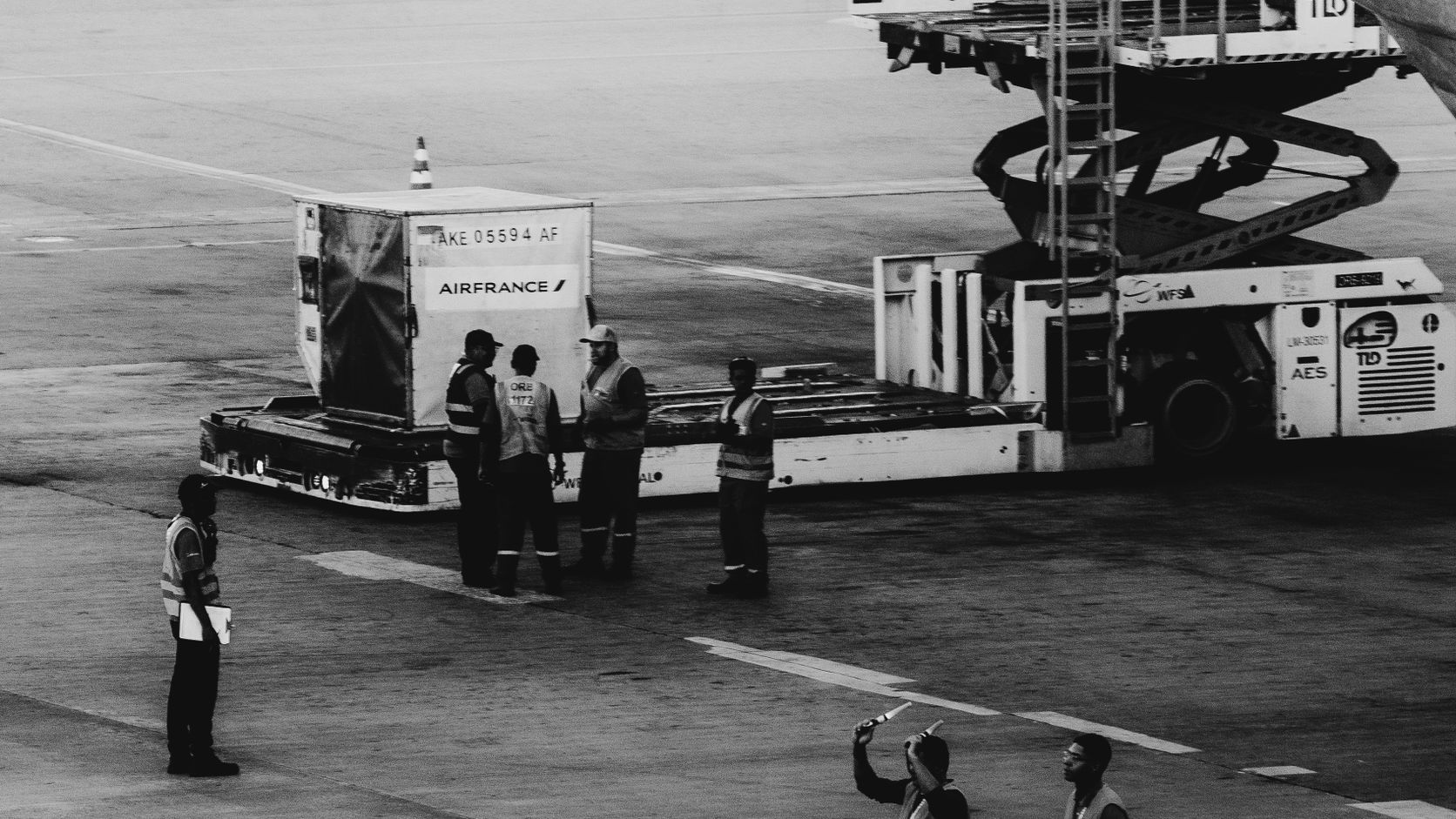
One of the most difficult realities of international pet transport is that a confirmed booking is not always guaranteed until the aircraft actually departs.
Operational changes happen every day:
- An aircraft may be substituted
- Weight restrictions may change
- Weather conditions may affect live-animal transport
- Unexpected operational requirements may reduce the available capacity for animals
Unfortunately, these situations are outside the control of pet relocation companies. When this happens, our role is not to argue with the airline but to secure the next available safe option for your pet as quickly as possible.
The Best Flight for You May Not Be the Best Flight for Your Pet
Many owners understandably focus on keeping themselves and their pet together. However, our priority is always finding the safest and most reliable routing for the animal.
Sometimes that means choosing:
- A shorter transit
- Better animal-handling facilities
- More suitable aircraft
- Lower temperatures
- A more reliable airline
While this may result in your pet arriving before or after you—or even traveling on a different airline—it often provides a much smoother journey.
Should You Book Your Own Flight First?
If your goal is to travel as close together as possible, we generally recommend waiting until your pet’s travel arrangements have been confirmed before purchasing any non-refundable airline tickets.
Passenger flights are usually much easier to change than international pet bookings. Waiting a little longer can often provide much greater flexibility and reduce the risk of expensive itinerary changes later.
Final Thoughts
It is completely natural to want your pet on the same flight as you. Sometimes that is possible. Many times it isn’t.
International pet transportation is influenced by aircraft design, airline policies, cargo capacity, booking windows, and operational limitations that simply don’t exist when booking a passenger ticket. Understanding these differences helps explain why your pet’s itinerary may not match your own—and why that isn’t necessarily a problem.
At Transcon Pet Movers, our goal isn’t simply to place your pet on the same flight as you. It’s to find the safest, most reliable route available while keeping you informed throughout the entire process.
Sometimes that route is the same as yours. Sometimes it isn’t. What matters most is getting your pet safely to the destination.
Related reading: It’s Getting Harder and Pricier to Fly With Your Pet
Planning a move with your pet? Get a quote from Transcon Pet Movers.