
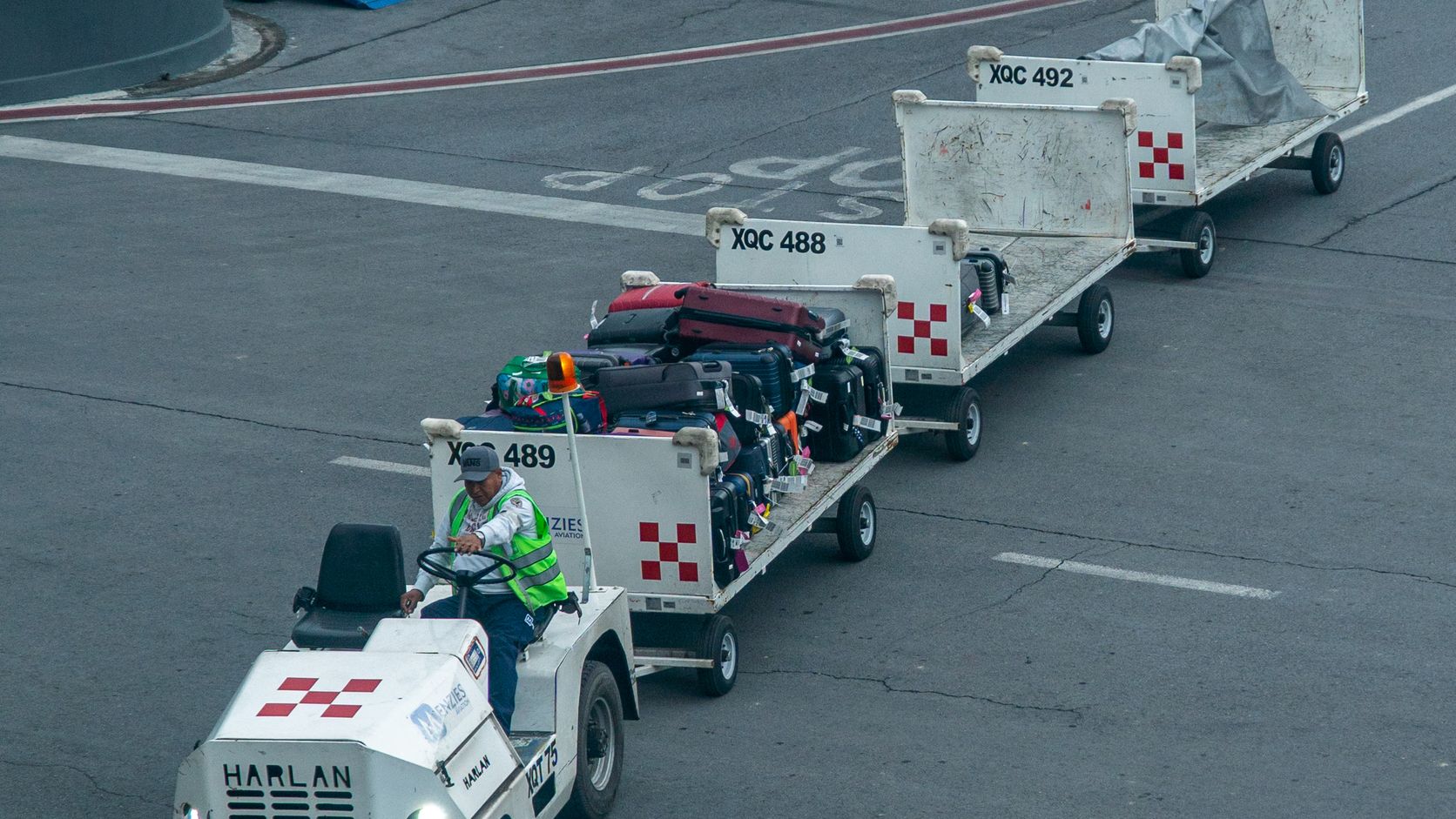
One of the biggest concerns pet owners have isn’t the paperwork or customs clearance. It’s what happens after they hand their pet over at the airport.
Questions like these are incredibly common:
- “Will my pet be thrown in with all the cargo?”
- “Is my pet sitting next to suitcases?”
- “Will my pet be freezing?”
- “Can my pet breathe down there?”
The good news is that many of the fears people have come from misunderstandings about how modern passenger aircraft are designed. Let’s take a look at where pets actually travel.
There Are Three Ways Pets Can Travel
Most international pets travel in one of three ways:
- In the passenger cabin
- As checked excess baggage
- As manifest cargo
Although these are very different from a booking and paperwork perspective, they all depend on one thing: the aircraft itself. Different aircraft have different layouts, cargo compartments, and capabilities.
Pets Traveling in the Cabin
For many owners, having their pet in the cabin is the ideal scenario. However, in-cabin travel depends on both airline policy and aircraft design.
Some airlines simply do not allow pets in the cabin at all, while others limit the number permitted on each flight. Even when pets are allowed, they must travel inside an airline-approved soft-sided carrier that fits underneath the seat in front of you. This is not simply an airline preference: during taxi, takeoff, landing, and whenever instructed by the cabin crew, the carrier must remain completely underneath the seat.
Why Business Class Often Doesn’t Allow Pets
Many owners wonder why they can bring a pet in Economy but not in Business Class. The answer usually has nothing to do with the ticket price.
Modern Business Class seats often include lie-flat beds, enclosed footwells, storage compartments, or other structures beneath the seat, leaving little or no usable space for a pet carrier. Without a safe place to secure the carrier during the critical phases of flight, airlines cannot permit pets in those seats — it’s simply a consequence of the aircraft’s design.
Your Pet Isn’t Under the Seat for the Entire Flight
One concern owners often have is that the carrier seems too small for a long international journey. Fortunately, the requirement to keep the carrier underneath the seat primarily applies during taxi, takeoff, landing, and whenever instructed by the cabin crew. During the cruise portion of the flight, many airlines allow the carrier to be moved into your own foot space, provided the pet remains inside the carrier and does not disturb other passengers.
This is one reason many experienced travelers choose expandable soft-sided carriers: once the aircraft is safely cruising, the expandable panels can often be opened, giving the pet additional room to stretch while sacrificing some of the owner’s legroom instead. As always, passengers should follow the instructions of the cabin crew, as individual airline policies vary.
Pets Traveling as Excess Baggage
Many people assume that pets traveling as excess baggage are simply placed wherever there is room in the cargo hold. Passenger aircraft have several compartments for baggage, freight, and, on suitable aircraft, live animals. When your pet travels as excess baggage, the crate is loaded into the approved live-animal compartment rather than being mixed indiscriminately with commercial cargo, and it is secured so it cannot move during the flight.
What About Manifest Cargo?
Manifest cargo often worries owners because of one word: cargo. The word describes the booking method and shipping documentation, not necessarily where the pet physically travels inside the aircraft. Although the shipment is handled through the airline’s cargo division, the pet is still loaded into the aircraft’s approved live-animal compartment: the paperwork is cargo, while the environment is designed for transporting live animals.
Why Aircraft Type Makes Such a Big Difference
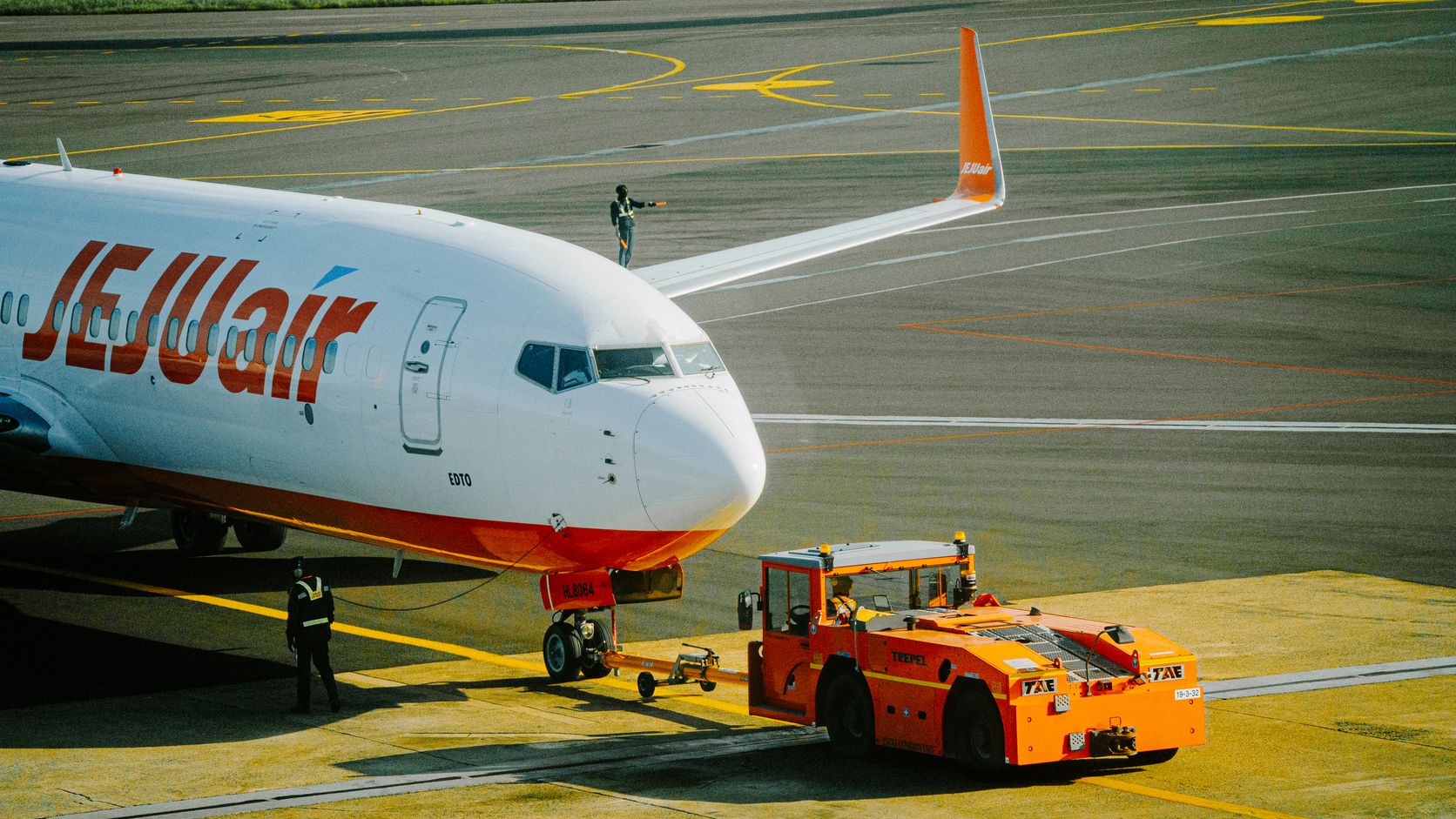
This is one of the least understood aspects of pet travel. Two flights can:
- Be operated by the same airline
- Fly the same route
- Leave only a few hours apart
Yet one flight may accept pets while the other cannot because they may be operated by completely different aircraft. Aircraft differ in:
- Cargo hold layout
- Ventilation systems
- Live animal certifications
- Cargo compartment design
An airline’s pet policy may remain exactly the same, but the aircraft assigned to your particular flight ultimately determines whether your pet can travel. This is why pet relocation companies pay close attention to aircraft types rather than simply flight numbers.
Why Your Pet May Travel on a Different Flight
Once you understand how aircraft differ, it becomes much easier to understand why pets don’t always travel with their owners.
Your flight may use an aircraft without an approved live-animal compartment, while another may have more capacity, a shorter transit, or a better route. The goal is not simply matching your itinerary; it is finding the safest and most reliable journey for your pet.
Final Thoughts
Modern passenger aircraft are carefully designed, and transporting live animals involves much more planning than simply placing a crate in the cargo hold. Whether your pet travels in the cabin, as excess baggage, or as manifest cargo, airlines use designated procedures and approved aircraft compartments to transport animals safely.
Understanding how aircraft are designed—and why different aircraft have different capabilities—explains why pet travel can look far more complicated than booking a passenger ticket. Behind the scenes, there is far more engineering and operational planning involved than most owners realize.
Related reading: It’s Getting Harder and Pricier to Fly With Your Pet
Planning a move with your pet? Get a quote from Transcon Pet Movers.