

If you’ve ever prepared for international pet travel, you’ve probably visited a government website. That’s exactly what you should do — government agencies publish import requirements, health certificate instructions, and country-specific guidance to help pet owners understand what’s required before their journey.
But there’s an important distinction every pet owner should understand: government websites explain the regulations. They don’t always reflect how those regulations are being interpreted and applied in the real world. Most of the time, those two things are exactly the same. Occasionally, they aren’t. The changes surrounding the European Union’s 2026 pet health certificate legislation are a perfect example.
When the Rules and Reality Don’t Match
In an ideal world, international pet travel would be completely predictable: the legislation states the requirements, you meet those requirements, the airline accepts your pet, and your pet arrives safely. That’s how the system is designed to work. Unfortunately, the 2026 EU health certificate changes showed that reality can sometimes be more complicated.
Many experienced professionals read Commission Delegated Regulation (EU) 2026/131 — the regulation that, since 22 April 2026, sets the animal health requirements for non-commercial pet movement into the EU — and reached similar conclusions about which health certificates should be used. Then airlines began requesting something different. Some pets were refused at booking. Others were delayed during transit through Frankfurt. Some shipments required additional communication with airlines or border authorities before they could continue. The legislation hadn’t necessarily changed overnight. The practical interpretation had.
How the Industry Adapted
One of the questions we’ve been asked repeatedly is: if the legislation doesn’t clearly say this, why is everyone now recommending commercial health certificates? The answer isn’t one company’s opinion — it’s the combined experience of many IPATA pet agents.
As relocation companies across the industry compared outcomes, a clear pattern began to emerge: pets traveling without their owners on the same flight consistently experienced smoother journeys when prepared with commercial health certificates, even when older interpretations suggested a non-commercial certificate might have been acceptable. That wasn’t a conclusion reached by theory — it was reached by observing real shipments, sharing experiences, and learning from the outcomes. That’s one of the strengths of the professional pet relocation community: when new situations arise, experienced agents don’t work in isolation, they communicate with one another, compare notes, and adapt their recommendations as evidence accumulates.

What a Pet Relocation Agent Actually Does
Many people assume a pet relocation agent’s primary job is completing paperwork. Paperwork is certainly part of the process, but it’s far from the whole job. An experienced agent stays current with changing airline requirements, government procedures, veterinary documentation, and the collective experience of the international pet relocation community. More importantly, their goal is to prevent problems before they happen — that’s what every pet owner should expect. If the regulations say your pet qualifies to travel, your pet shouldn’t have to rely on appeals, discretionary approvals, or emergency phone calls to complete the journey. Those processes exist because unusual situations sometimes occur, not because they should become part of the normal travel process.
And If Something Does Go Wrong?
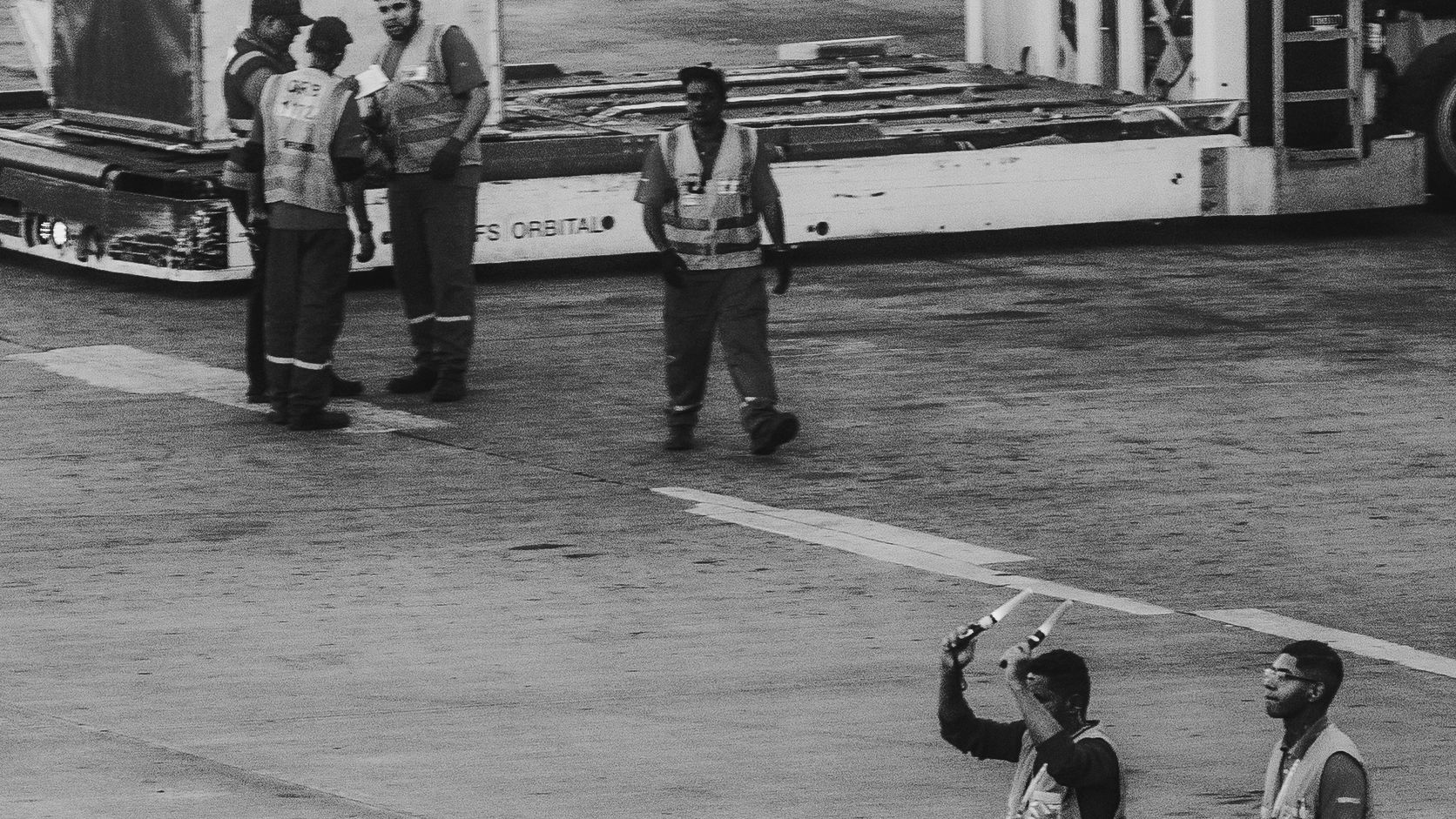
Even the best planning can’t eliminate every unexpected situation. Flights are delayed. Policies change. Interpretations evolve. When that happens, an experienced pet relocation agent becomes more than someone who prepared your paperwork — they become your advocate. They know who to contact, how airlines operate, and how to work with veterinarians, government agencies, and border authorities to resolve issues as efficiently as possible. That doesn’t mean every problem disappears, but it often means the problem is identified earlier, handled faster, and resolved with far less stress for both you and your pet.
The Goal Isn’t Solving Problems
Ironically, the best pet relocation agents aren’t measured by how many problems they solve — they’re measured by how many problems never happen in the first place. Their experience allows them to identify potential issues before your pet ever reaches the airport. Sometimes that means recommending a different routing. Sometimes it means choosing a different airline. And sometimes — as we’ve seen with the EU health certificate changes — it means recommending documentation that reflects current operational practice, even while official guidance is still catching up. Preventing problems will always be better than fixing them.
The Takeaway
We encourage every pet owner to read the regulations, read the government guidance, understand the process, and ask questions. An informed pet owner is a great partner throughout the relocation process. But also remember that international pet travel doesn’t happen on a government website — it happens at airline check-in counters, veterinary clinics, border inspection posts, and transit airports around the world. Those are the places where regulations become real.
The best pet relocation agents combine the written requirements with practical experience and current operational knowledge. That combination gives your pet the best possible chance of having a smooth, predictable, and stress-free journey — because at the end of the day, that’s what every pet owner wants, and it’s what every experienced pet relocation agent is working toward.
Related reading: Why You Need a USDA Accredited Vet for International Pet Travel, Beyond the Health Certificate: Why Pet Agents Matter
Planning a move with your pet? Get a quote from Transcon Pet Movers.