

When it comes to air travel with pets, many pet owners grapple with the idea of using sedatives to keep their furry friends calm. Transcon Pet Movers is here to clarify some common myths and provide factual insights about using sedatives for pets during flights. Our goal is to ensure a safe and stress-free travel experience for your beloved companions.
Myths vs. Facts: Understanding Pre-Flight Sedatives
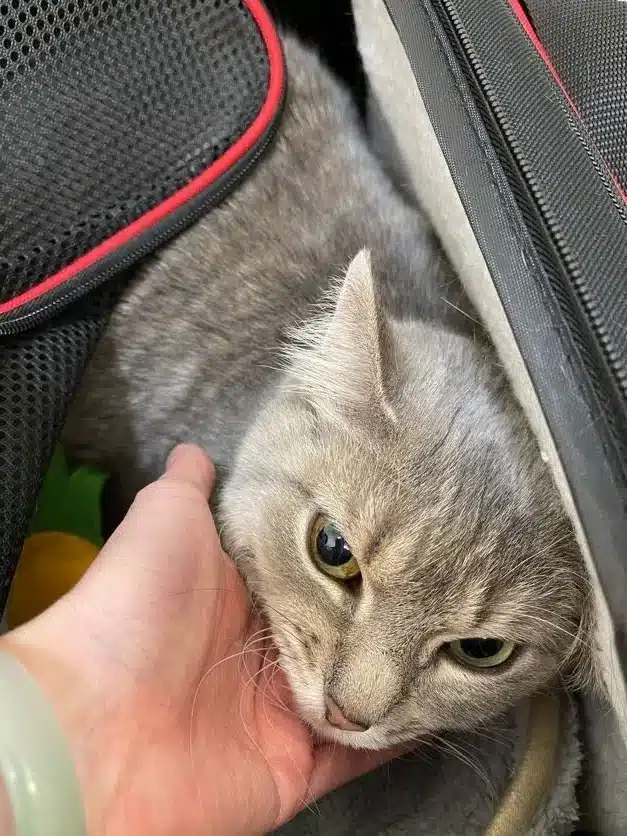
Myth: Sedatives make pets sleep throughout the flight.
Fact: Most medicines prescribed for pets for an upcoming travel are meant to alleviate anxiety, not induce deep sleep. The objective is to reduce stress and make the travel experience manageable for your pet.
Here are some key medications commonly discussed and used:
- Gabapentin: This medication is effective in reducing anxiety in both cats and dogs. It’s particularly useful for pets that experience heightened stress during travel.
- Trazodone: Known for its calming effects, Trazodone helps keep pets manageable and calm during the flight.
- Oral Mucosal Dexmedetomidine: Ideal for dogs with noise phobia and travel stress, this medication helps ease their anxiety.
- Alprazolam: This is another option for managing anxiety in both dogs and cats, helping them remain calm during the journey.
- Bonqat® (Pregabalin Oral Solution): A newer addition to the range of anxiety management options for pets, providing an alternative solution for reducing travel-induced stress.
Important Considerations
Before administering any sedatives, it is crucial to consult with a veterinarian. Each pet is unique, and a vet can provide tailored advice and dosage recommendations based on your pet’s specific needs and health condition.
Non-Medication Strategies
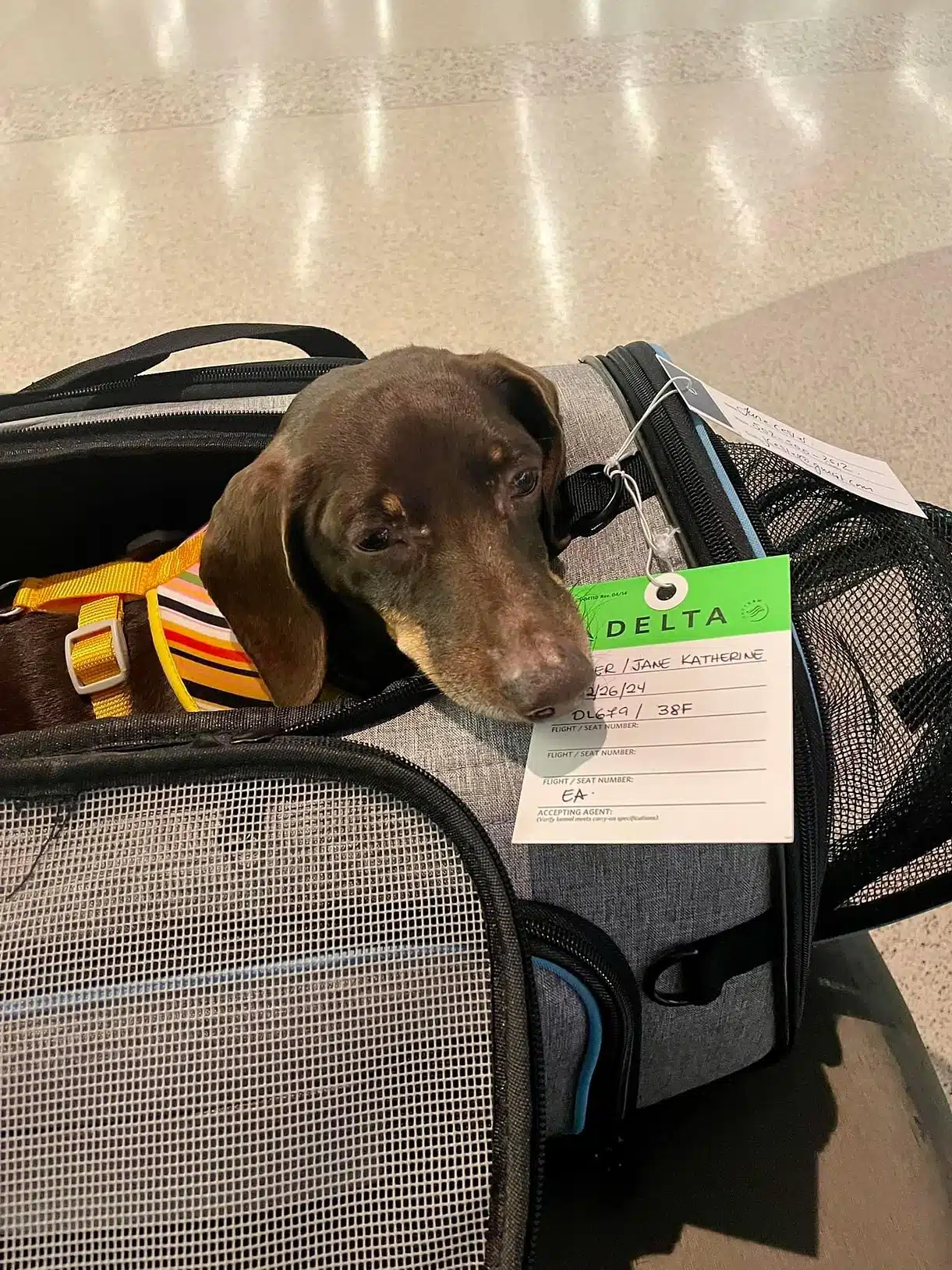
In addition to medication, there are several non-medication strategies that can help ease your pet’s travel anxiety:
- Acclimatization: Gradually get your pet accustomed to their travel carrier or crate and the sounds associated with travel. This can significantly reduce their stress levels on the day of the flight.
- Behavioral Training: Techniques such as positive reinforcement and desensitization can help your pet feel more comfortable with the travel process.
Related reading: Pet Travel Crate Checklist: What to Pack Before the Flight
Planning a move with your pet? Get a quote from Transcon Pet Movers.