
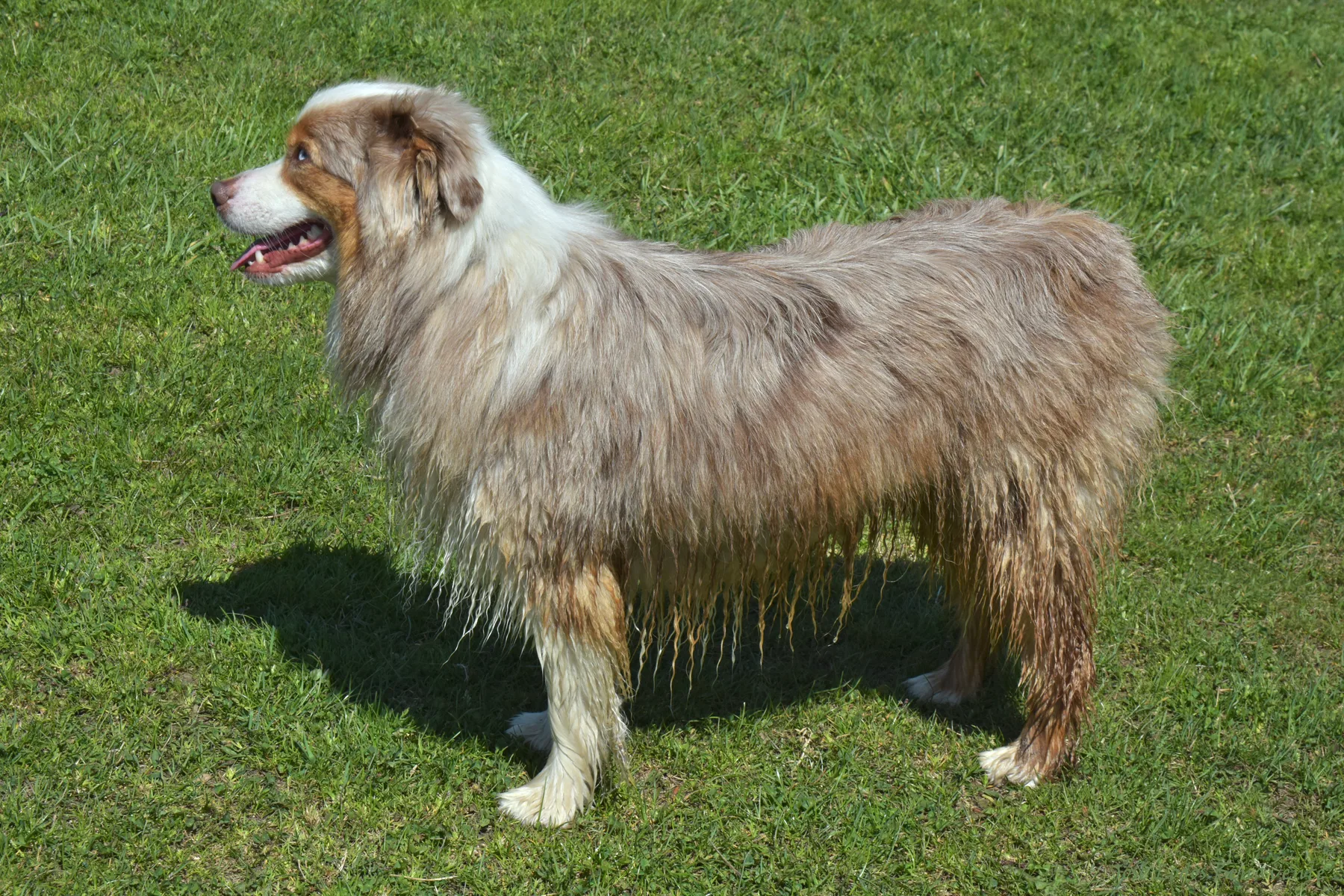
Rainy-day walks have their own kind of charm. The sidewalks shine under porch lights. The grass smells stronger. The whole neighborhood feels quieter, except for the soft sound of tires passing through puddles and the occasional drip from a tree branch over the driveway.
Your dog, of course, does not care that the weather is inconvenient. To him, rain just makes the world more interesting. Every smell is brighter. Every patch of grass is newly important. Every puddle is a question. Every muddy edge of the lawn deserves inspection.
So you put on a rain jacket, grab the leash, and go. By the time you come back, your dog’s paws are wet, the leash is wet, your shoes are wet, and the entryway looks like a small weather event has passed through the house. Most dog owners know the routine.
Stop at the door. Grab the towel. Wipe the paws.
Maybe say, “Hold still,” twelve times. Maybe negotiate with a dog who suddenly believes his feet are private property.
Then everyone moves on.
The dog goes to his bed.
You hang up the leash.
The towel lands somewhere near the laundry room.
Done.
Except sometimes, it is not done.
A friend of mine learned that the hard way with her dog, Cooper, a big, sweet golden retriever mix with thick fur between his toes and a deep commitment to stepping in every puddle available to him.
Cooper loved rainy walks.
He loved wet grass. He loved mud. He loved the little streams of water running along the curb. If there was a dry path and a wet path, Cooper chose the wet one every time, not because he was difficult, but because he was a dog and dogs have their own spiritual priorities.
After every walk, my friend wiped his paws.
She was not careless.
There was a towel by the front door. Cooper knew the routine. He would stand on the mat, sigh dramatically, and allow each paw to be lifted and rubbed.
But after a few weeks of wet weather, Cooper started licking his feet. At first, it did not seem serious.
Dogs lick.
They lick paws, blankets, air, plates, people, and sometimes the floor where food used to be. A little licking did not seem like an emergency.
But then it continued.
At night, while the house was quiet, she could hear it.
Lick. Lick. Lick.
That soft, repetitive sound every dog owner recognizes and eventually cannot ignore.
She would say, “Cooper, stop.”
He would stop for a minute.
Then start again.
Soon the fur between his toes was damp almost all the time. One paw smelled a little different. Not terrible, exactly, but not clean either. When she finally spread his toes and looked carefully, the skin between them was red.
That was when she realized the towel routine had not been enough. She had been wiping the outside of the paws.
The tops. The pads. The obvious muddy parts.
But between the toes, where the fur was thickest, moisture had been staying trapped.
Warm, damp, hidden.
Exactly the kind of place where irritation can begin. The veterinarian explained it in a way that made perfect sense once she heard it. Wet weather can be hard on a dog’s paws, especially when the dog has thick hair between the toes, allergies, sensitive skin, or paws that stay damp after walks. The spaces between the paw pads can become moist and irritated. In warm, humid conditions, that can lead to redness, itching, odor, and sometimes infection.
Cooper had not been licking because he was bored. He had been licking because his feet were uncomfortable. That is the part we miss so easily.
Dogs cannot say, “The skin between my toes is itchy.” They cannot say, “My paw feels damp and irritated.” They cannot say, “Something stings when I walk.”
They tell us in dog language.
They lick. They chew. They hold up a paw.
They rub their feet on the carpet. They stop wanting their paws touched.
They smell different.
They leave the fur between their toes wet and stained because they keep going back to the same spot. And because licking itself adds more moisture, the problem can become a loop.
The paw feels itchy. The dog licks. The paw gets wetter. The skin becomes more irritated. The dog licks more.
By the time a person finally spreads the toes and checks, the problem may have been building for days. Rainy weather makes this more likely, but it is not only rain.
Snow can do it. Wet grass can do it. Humid summers can do it. Swimming can do it.
Dewy morning walks can do it. Even a quick potty break through wet landscaping at an apartment complex can leave enough moisture between the toes to matter, especially for dogs with fluffy feet. And some dogs are more prone to trouble than others.
Golden retrievers, doodles, spaniels, shepherd mixes, long-haired small dogs, senior dogs, allergic dogs, and dogs with thick paw fur may need extra attention. A pit bull mix with environmental allergies may lick paws after wet grass. A little terrier may collect moisture and dirt between the toes. A senior Lab may not groom well but still develop irritation.
Every dog is different.
But every dog’s paws deserve a look.
After Cooper’s vet visit, my friend changed the whole routine.
Not dramatically. Just more carefully.
After rainy walks, Cooper still stopped by the front door. The towel still came out. But instead of quickly rubbing the outside of each paw, she pressed the towel gently around the paw pads and between the toes.
Not scrubbing. Pressing. Absorbing.
Then she spread the toes slightly and checked.
Any redness? Any odor? Any swelling?
Any grass seed, thorn, burr, or little piece of gravel hiding there? If the fur between his pads was getting too long, she had it trimmed. Not shaved aggressively, not made raw or exposed, just kept short enough that moisture did not sit there forever.
On especially wet days, she used a dryer on a cool setting, held at a safe distance, just long enough to make sure the damp spots were actually dry. Cooper did not appreciate this at first.
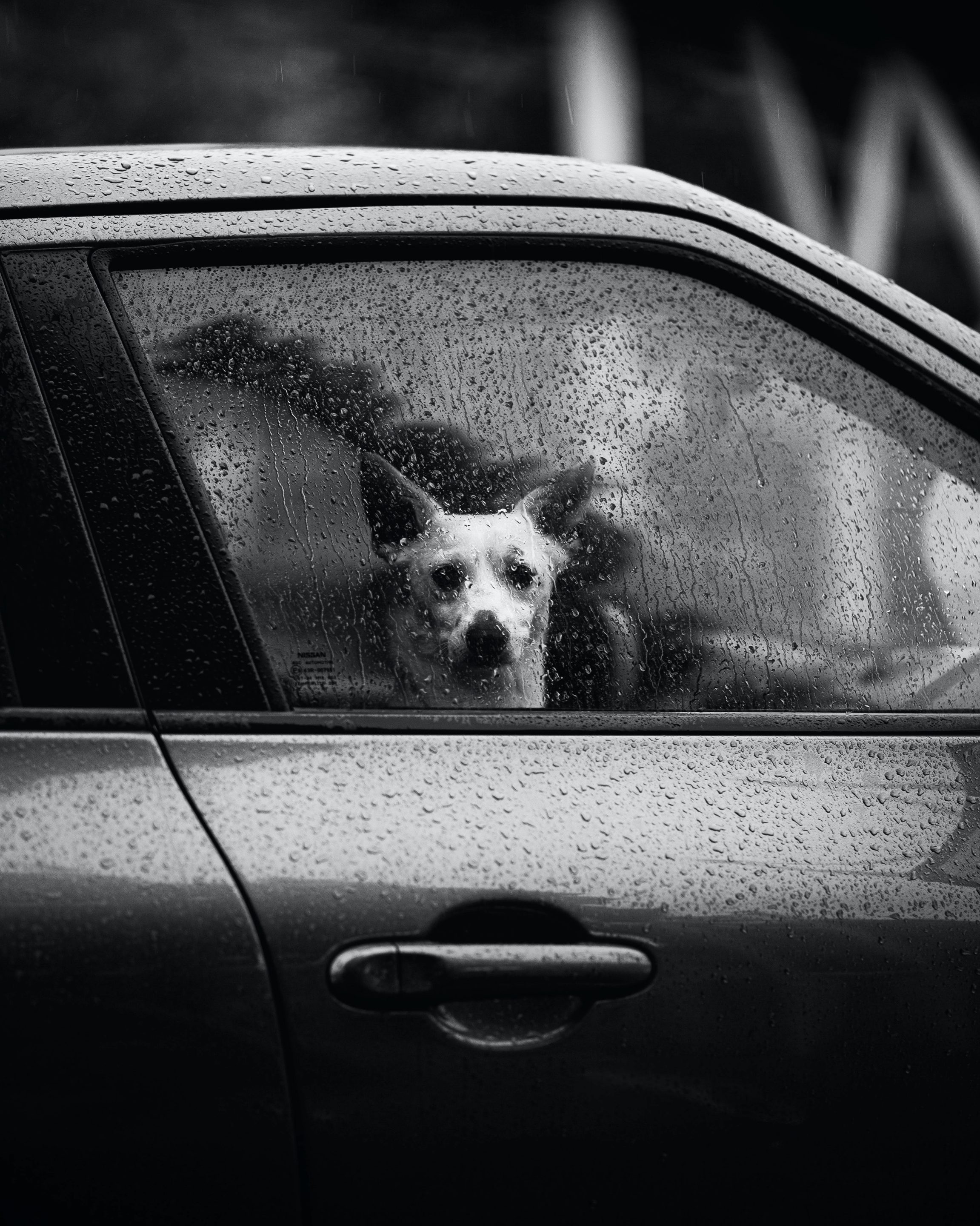
He pulled his paws back. He made wounded eye contact.
He acted as if basic foot care were a betrayal of everything they had built together.
But dogs are practical when routines are kind and consistent.
After a while, he learned. Come home. Stand on the mat. One paw. Then another. Treat. Praise. Done.
Eventually, after rainy walks, Cooper started lying down by the door and lifting one paw with the tired cooperation of a dog who had accepted the terms of domestic life.
Sometimes care means looking where the problem hides.
That is one of the sweet parts of caring for dogs. At first, they resist the thing that helps them.
Then the routine becomes part of home.
The towel by the door. The gentle hands. The little check. The treat afterward.
The dog learns that being handled does not always mean something scary. Sometimes it just means someone is making sure he is comfortable. That is love in one of its least glamorous forms.
Not a birthday photo. Not a matching bandana. Not a perfect sunset walk.
A person sitting on the entryway floor after rain, drying between a dog’s toes.
No one posts that part.
But dogs live in that part. They live in the daily maintenance we do or do not do.
Clean water. Trimmed nails. Dry paws. Washed bedding. Checked ears. Medication given on time. A limp noticed early. A strange smell not ignored.
A habit of licking taken seriously before it becomes a bigger problem. Good dog care is often quiet. It is not dramatic until you skip it for too long.
That does not mean you need to panic every time your dog licks a paw. Sometimes a dog steps on something. Sometimes a paw is briefly itchy.
Sometimes dogs lick because they are settling down. But repeated licking, chewing, redness, odor, swelling, limping, wet fur that never seems to dry, or a dog who suddenly hates having his feet touched—those are worth attention. And if there is persistent redness, a bad smell, discharge, pain, swelling, broken skin, or nonstop licking, it is time to call the vet.
Do not wait weeks hoping it will fix itself. Do not keep applying random products without knowing what you are treating. Do not assume it is “just a habit” if the dog is clearly focused on the same paw over and over.
A dog who keeps licking is often trying to solve something. He just may be making it worse. The good news is that small changes can help.
Keep a towel by the door. Use a mat where the dog can stand or lie down. Dry the top of the paw, but also the underside.
Press gently between the toes. Check the paw pads.
Look for redness, odor, swelling, cuts, burrs, foxtails, tiny rocks, or anything stuck in the fur. If the feet are very wet, use cool air to help dry them. Keep long paw hair neatly trimmed if your groomer or vet recommends it.
Make the routine calm and rewarding. Teach the dog that foot handling is normal, not a punishment. And remember that the goal is not to make the dog perfect.
It is to keep him comfortable. Dogs use their feet for everything.
Walking. Running. Turning. Jumping into the car. Climbing onto the couch. Digging into the grass.
Standing by the front door when they hear your keys. Following you from room to room. A sore paw changes more than a walk.
It changes the way a dog moves through his whole day. That is why the little spaces between the toes matter. They are easy to overlook because they are not obvious. From above, a dog’s paw may look fine. The top may be dry. The pads may look normal. But hidden in the fur, between the toes, the skin may already be irritated.
Sometimes care means looking where the problem hides. That is true of dogs in many ways. The limp that only shows when they first get up.
The ear that smells different before it looks bad. The tooth pain hidden behind normal eating.
The anxiety behind “bad behavior.”
The paw irritation behind “he just likes to lick.”
Dogs ask for help indirectly.
We have to learn how to read the small signs.
Cooper’s feet got better. Not overnight, but steadily. The licking slowed. The redness faded. The wet fur dried. The smell disappeared.
Rainy walks continued, because Cooper was still Cooper, and puddles remained among life’s greatest opportunities. But now the walk did not end when they reached the front door. It ended after the paws were actually dry.
That difference mattered.
So the next time you come home from a rainy walk, do not just wipe the surface and call it done.
Take one extra minute. Lift the paw. Check between the toes.
Dry the places moisture likes to hide. Your dog may pull away at first.
He may sigh.
He may act as if you are being unreasonable. But if his paws feel better because of it, he will learn. Dogs are patient with our little routines when those routines keep them safe.
And one day, like Cooper, he may come inside from the rain, lie down by the door, and lift a paw as if to say:
Fine. Do the thing. Just don’t forget the treat.
When the time comes to move a companion — across borders or across the country — Transcon Pet Movers handles the crates, paperwork, and customs so dogs, cats, birds, reptiles, and exotic pets travel safely. Learn more at transconpet.com or call (650) 656-0082.